JORGE
DE LUIS
YANES

An exhibition of

Jorge de Luis Yanes

14/30 January 2025

09:00-21:00 h.

C. de Fernando el Católico, 35
Chamberí, 28015 Madrid

OXÍMORON

Oxymoron: From the Greek ὀξύμωρον oxýmōron.
Figure of speech that combines in the same syntactic structure two words or expressions of opposite meaning that give rise to a new meaning (DRAE).

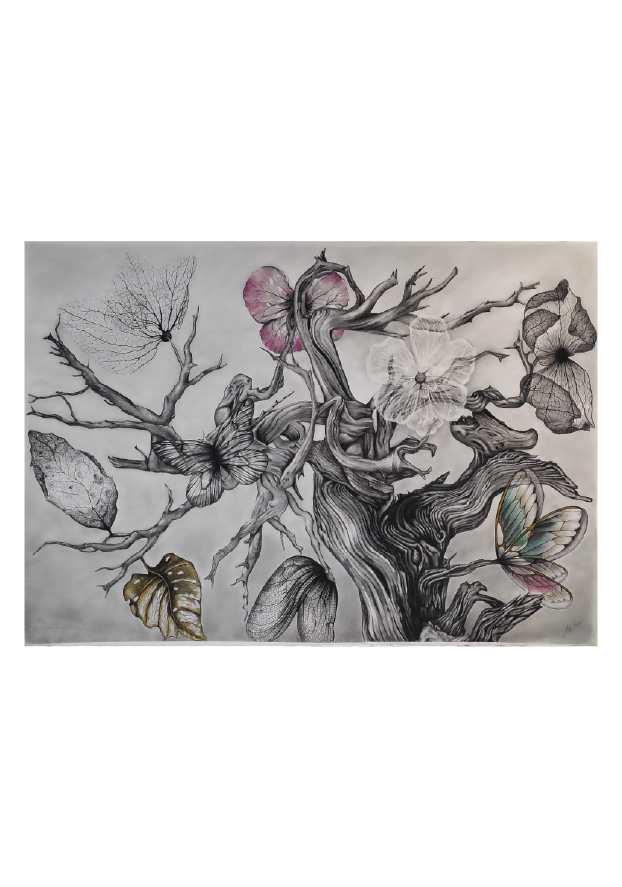
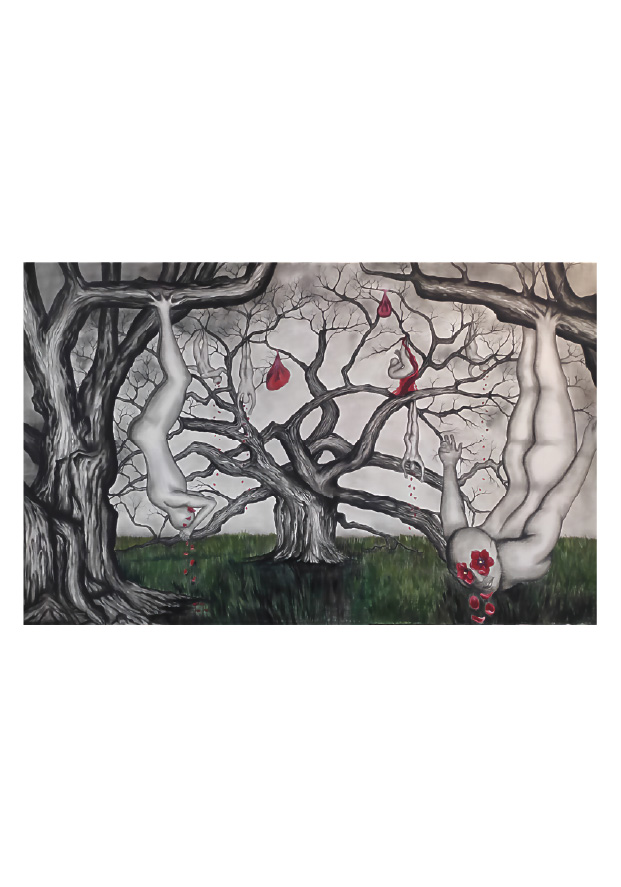
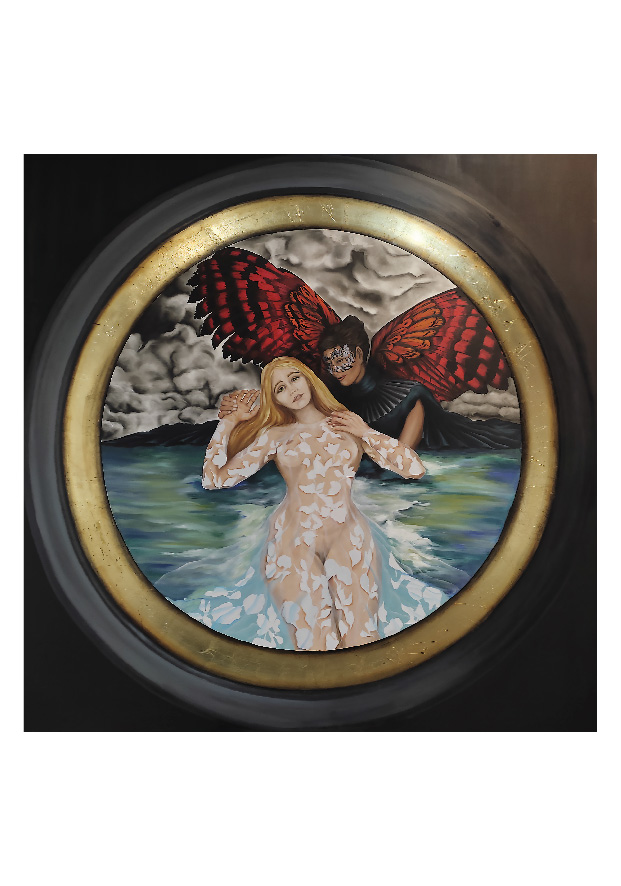
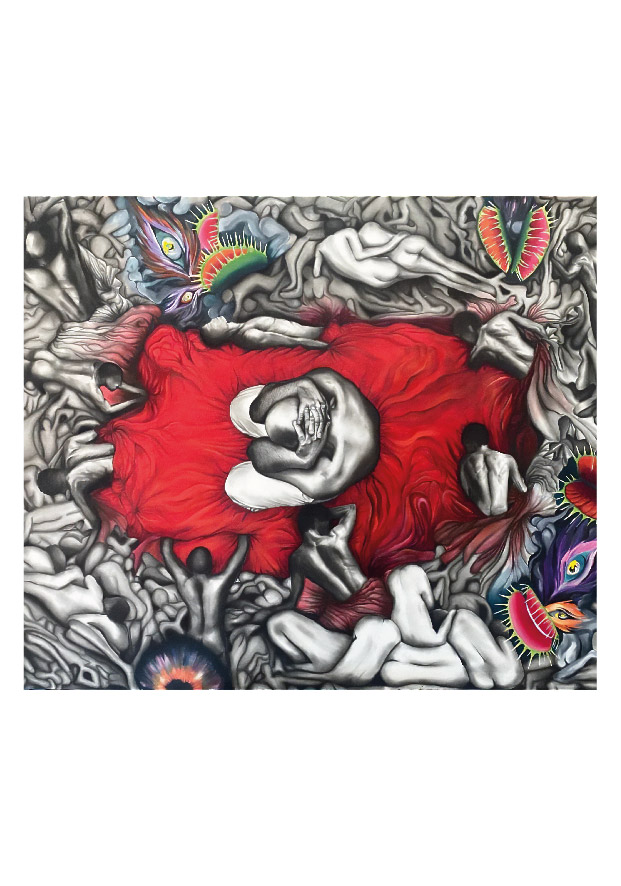
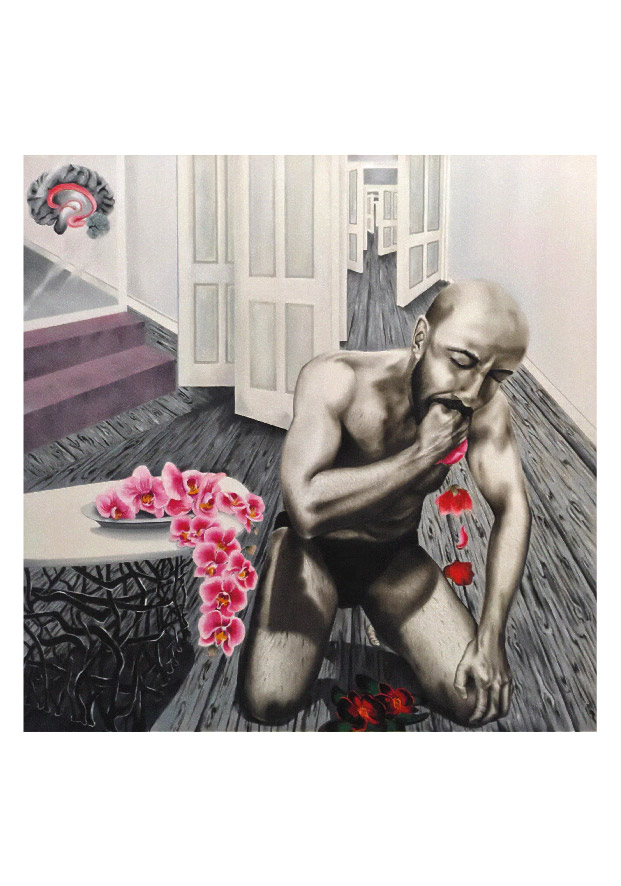
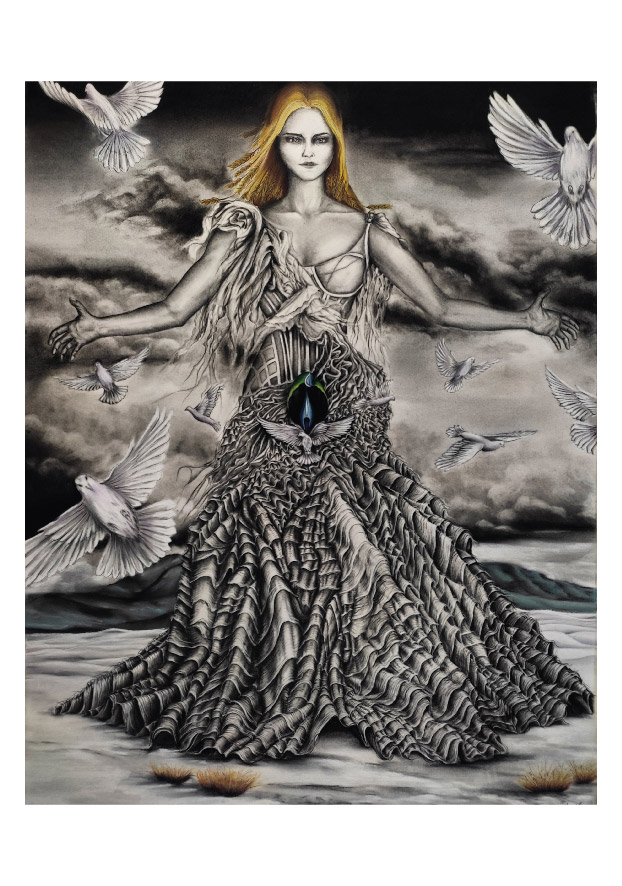
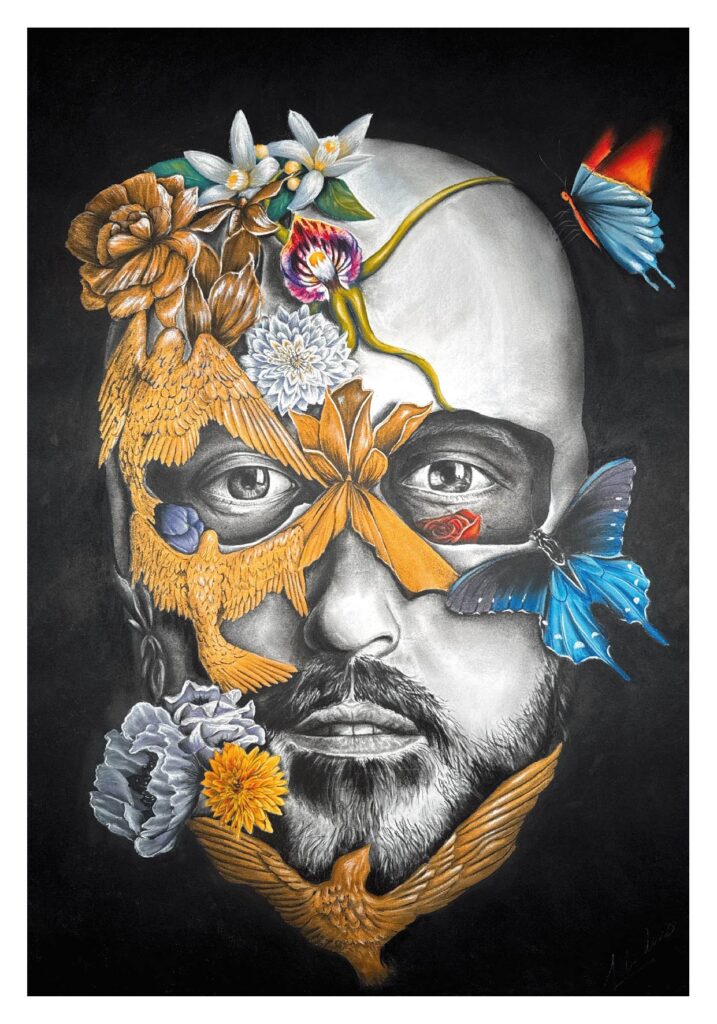
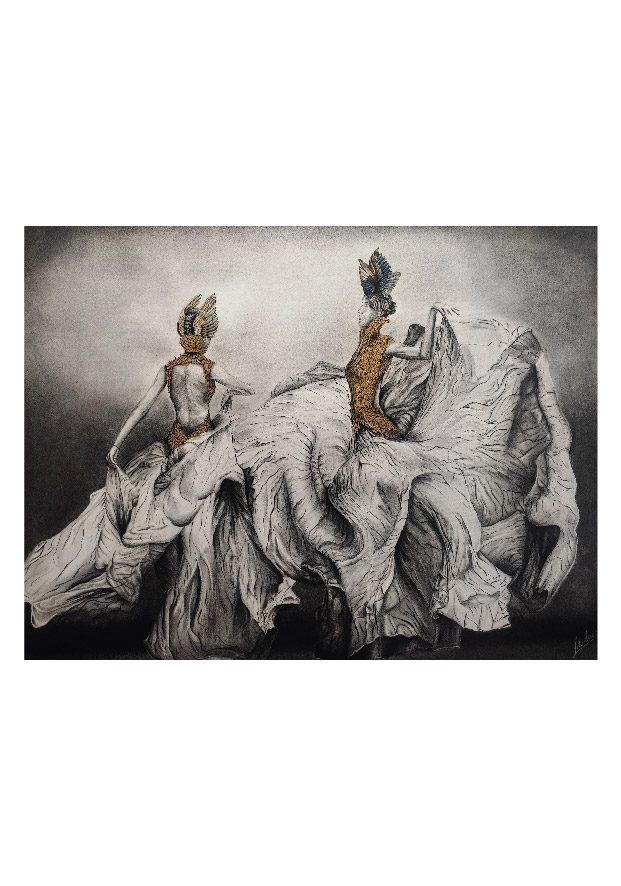
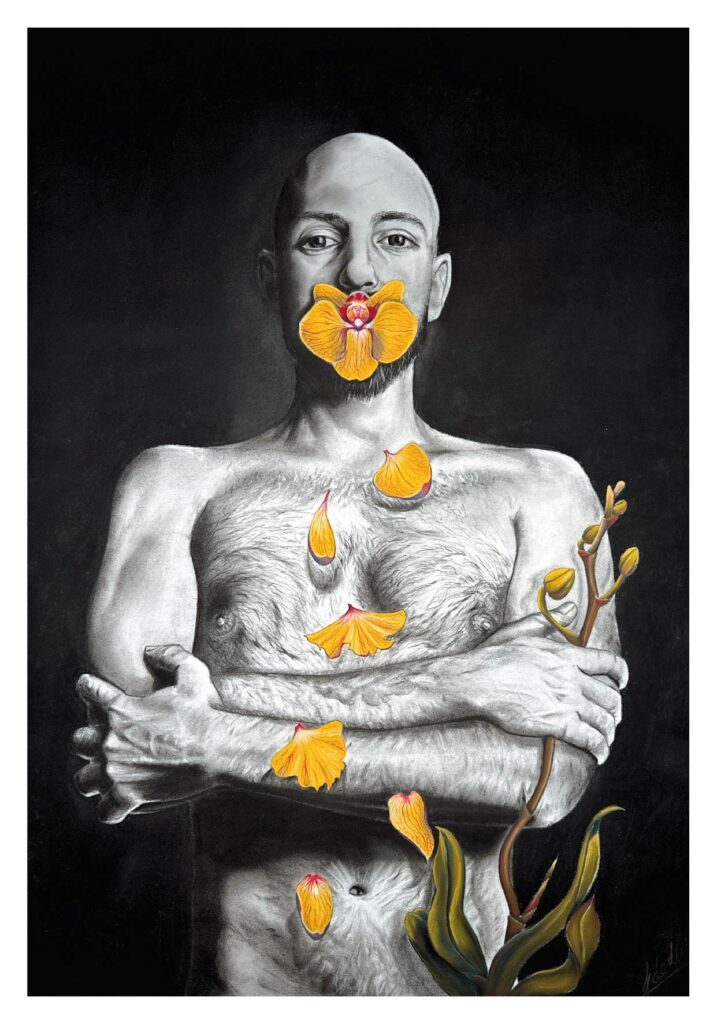
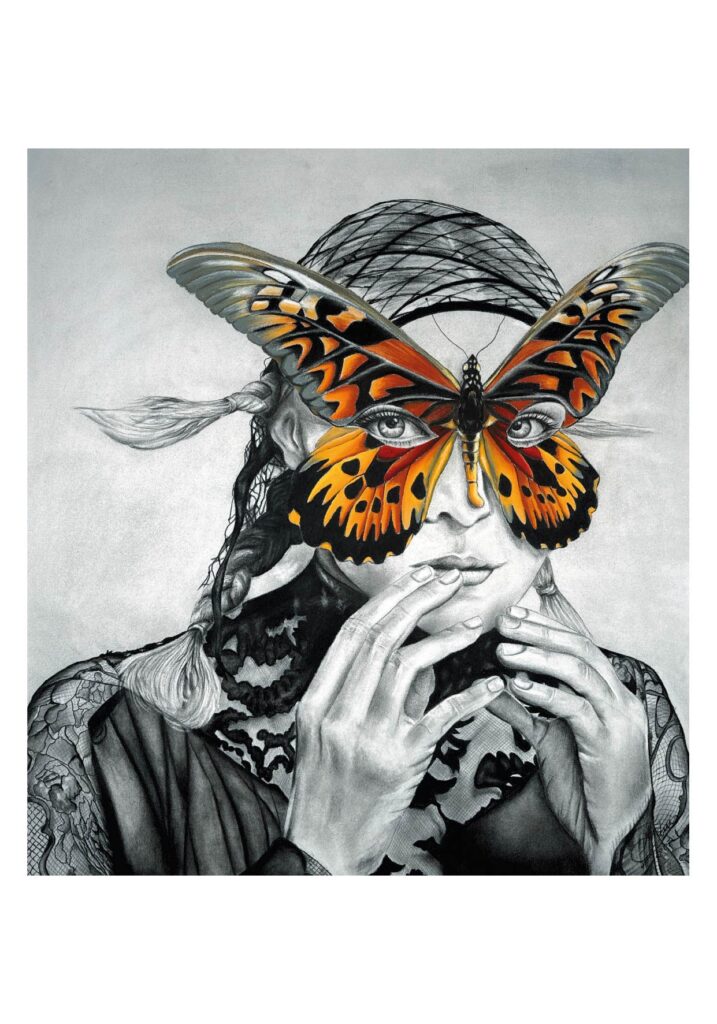
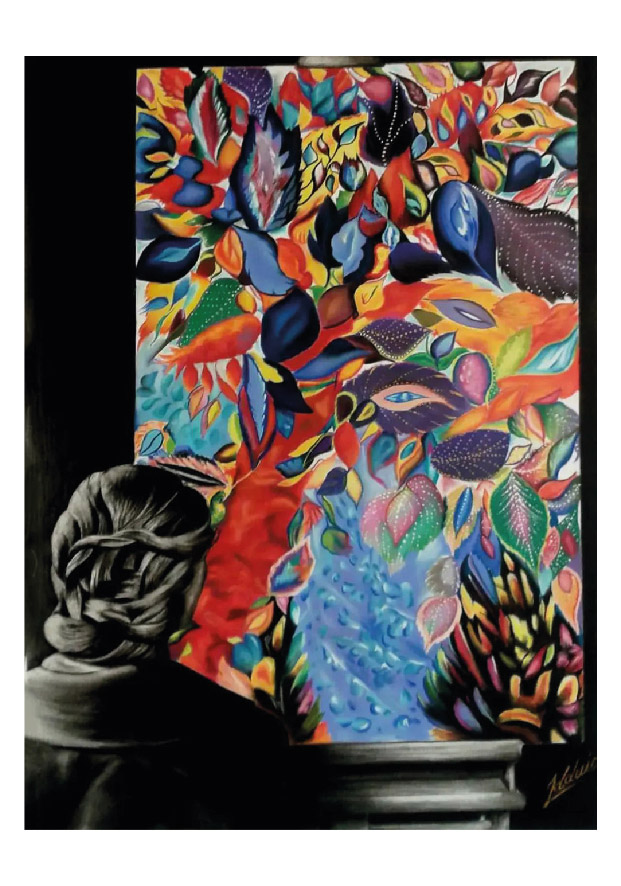
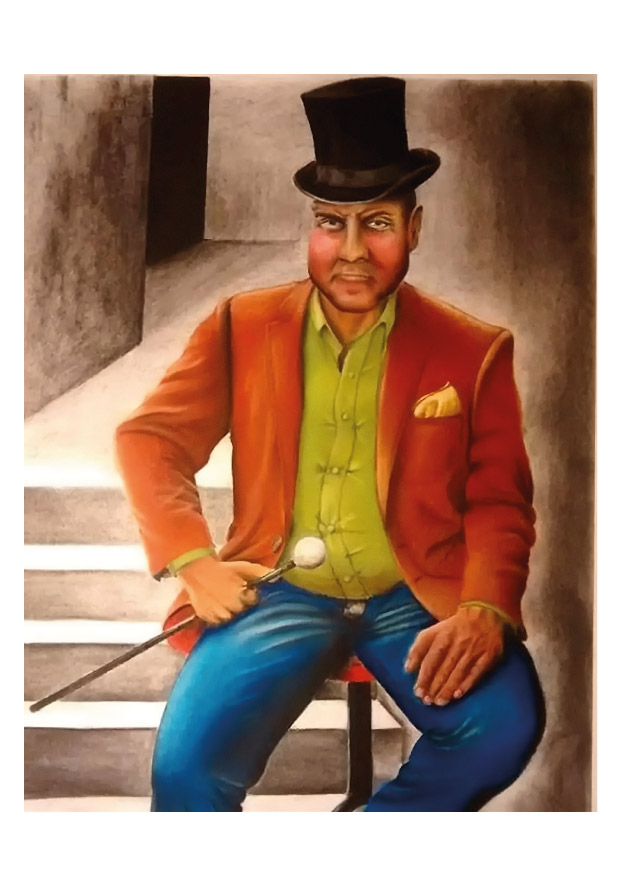
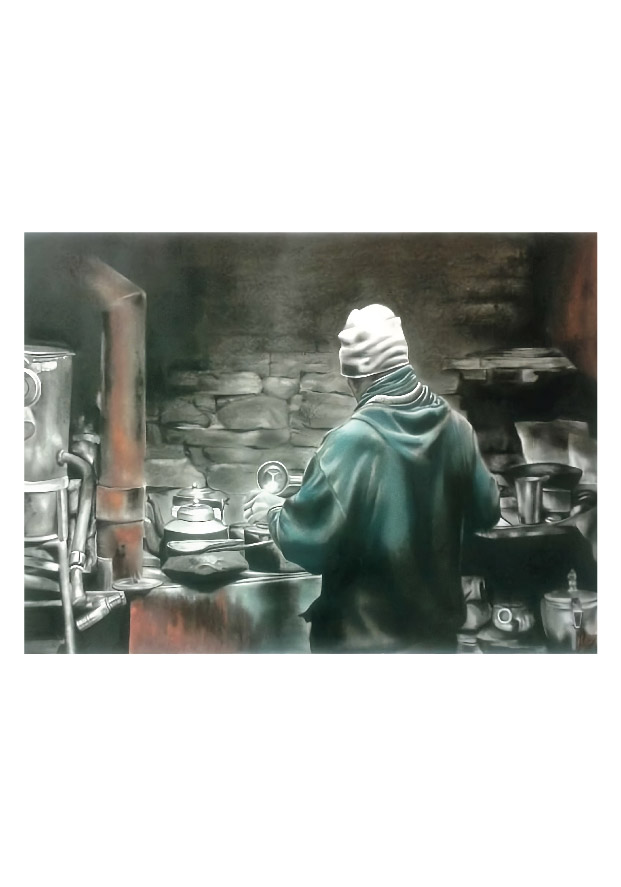
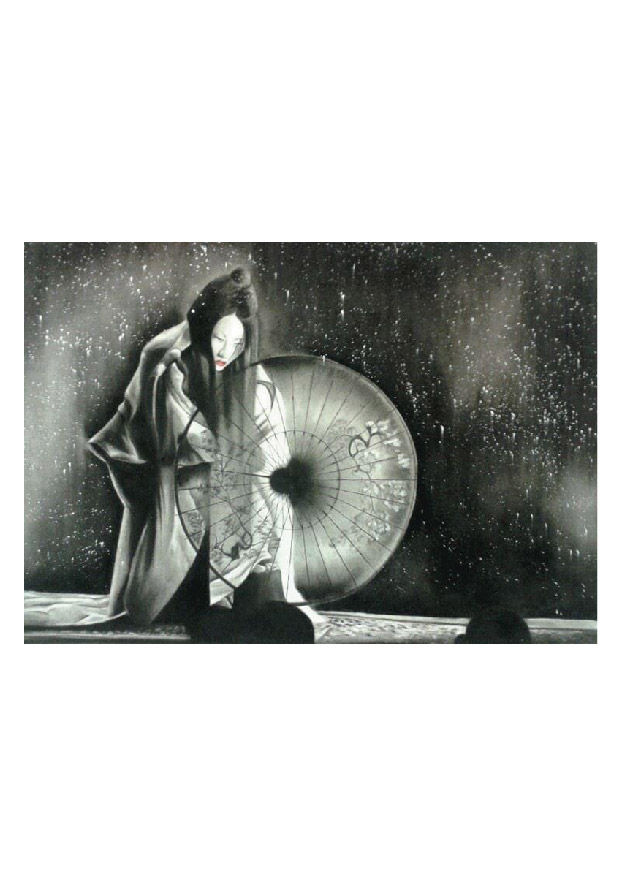
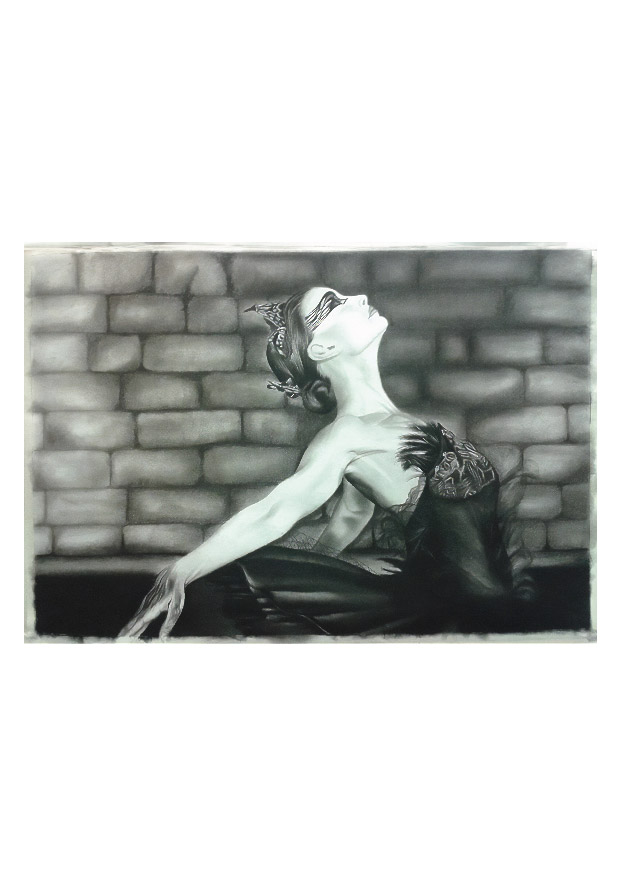
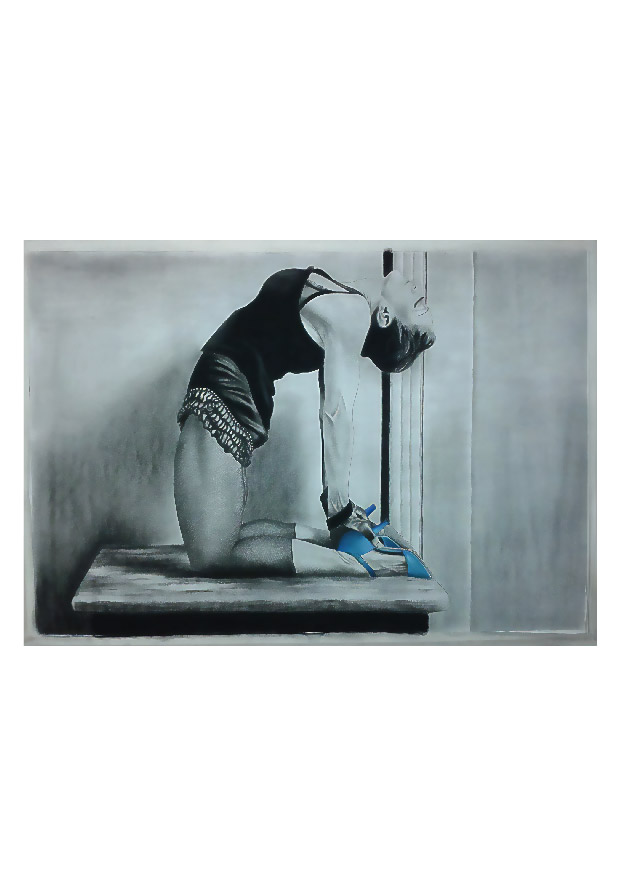
Oxymoron is the contrast, the mixture of the most visceral and darkest emotions united with the most purely beautiful elements, leading to something unique, impossible to contemplate indifferently. Jorge de Luis captures this union of light and shadow in each of the works that make up this collection, all of which are on paper and canvas.            

To explain Oxymoron, Jorge de Luis refers to one of the artists who has most influenced his conception of art, the designer Alexander McQueen, who defines his creations as a way of transforming the unpleasant into the beautiful and the beautiful into something never seen before. Thus, De Luis captures violence and beauty in his paintings, seeking balance and contrast at the same time. To do so, he resorts to combinations of black and white with bright colours, surrealist themes where the dreamlike and the real, death and life, self-destruction and overcoming, the disturbing and introspective with the naïve and optimistic.

Artists such as Madonna, Seraphine or Steven Klein are Jorge de Luis’ inspiration for the first pieces of the Oxímoron collection, which consist of reproductions of photographs and film stills. Each painting has a special meaning and expresses his admiration for these artists through imitation. The elements he uses as a starting point are pop culture, music, cinema, fashion and photography, and then he goes further, investigating and searching for concepts full of symbolism with a common thread. In the most recent works, however, the author feels a special attraction for the work of surrealist and contemporary women painters, from the Generation of ‘27 and Las Sinsombrero to Leonora Carrington, Remedios Varo, Georgia Okeffe or Dorothea Tanning, as well as Tamara di Lempicka, Frida Kahlo and Seraphine, which inevitably influences his latest creations.

Nor can the enormous prominence of women in Jorge de Luis’s works be overlooked. The feminine takes centre stage in every scene, either through the representation of the woman in the painting or through symbols of the feminine, which are present in animals, such as the butterfly, or the flowers that appear in every painting as a recurring element. The woman in De Luis’s work is the centre, the transforming element, always represented from an empowering perspective of the feminine. 

All of this makes Oxímoron the point of union between internal inspiration, the fruit of personal sensations and experiences, and external inspiration, received through other forms of art.


Quotes

ALEXANDER MCQUEEN

  • “I don´t see the point in doing anything that doesn’t create an emotion, good or bad. If you’re disgusted, at least that’s emotion. If you walk away and your forgot everything you saw, then I haven’t done my job properly.”
  • “People find my thing sometimes aggressive. But I don’t see it as aggressive. I see it as romantic, dealing with a dark side of personality.”
  • “I´m about what goes through people’s minds, the stuff that people don’t want to admit or face up to. The shows are about what’s buried in peoples psyches.”
  • “I´ve seen a woman get nearly beaten to death by her husband. I know what misogyny is. I hate this thing about fragility and making women feel naive. I want to empower women. I want people to be afraid of the women I dress.”
  • “Beauty can come from the strangest of places, even the most disgusting of places.”
  • “It’s the ugly things I notice more, because other people tend to ignore the ugly things.”

DOROTHEA TANNING

  • “Art has always been the raft onto which we climb to save our sanity. I don’t see a different purpose for it now”

LEONORA CARRINGTON

  • “Art is a form of healing, a way of transforming pain into beauty.”

DEFINITIONS

METAMORPHOSIS
From the Latin metamorphōsis, and this from the Greek μεταμόρφωσις, metamórphōsis.

  • f. Transformation of something into something else

  • f. A change made by someone or something from one state to another, as from avarice to liberality or from poverty to wealth (DRAE).

ORCHID

  • Feminine form of the Latin scientírico orchidea, and this from the Greek ὀρχίδιον orchídion, diminutive of ὄρχις órchis ‘testicle’, by comparison with its two ellipsoidal and symmetrical tubercles.

  • The orchid has an enormous sexual symbolism, which is already referred to in Greek mythology through Orchis, a mythological figure, son of a nymph and a faun, with an excessive sexual desire that leads to his death and later to his transformation into the first orchid. The Greeks themselves referred to the close relationship between this flower and sex, attributing erotic powers to it

Works
Jorge de Luis Yanes

Jorge de Luis is a native of Tenerife and currently lives in Madrid. Although he is a doctor specialising in radiology, he has been combining his profession with his facet as a painter for several years. He is currently receiving training at the Artemix Blanco Academy under the tutelage of Maite Teresa Blanco.